About
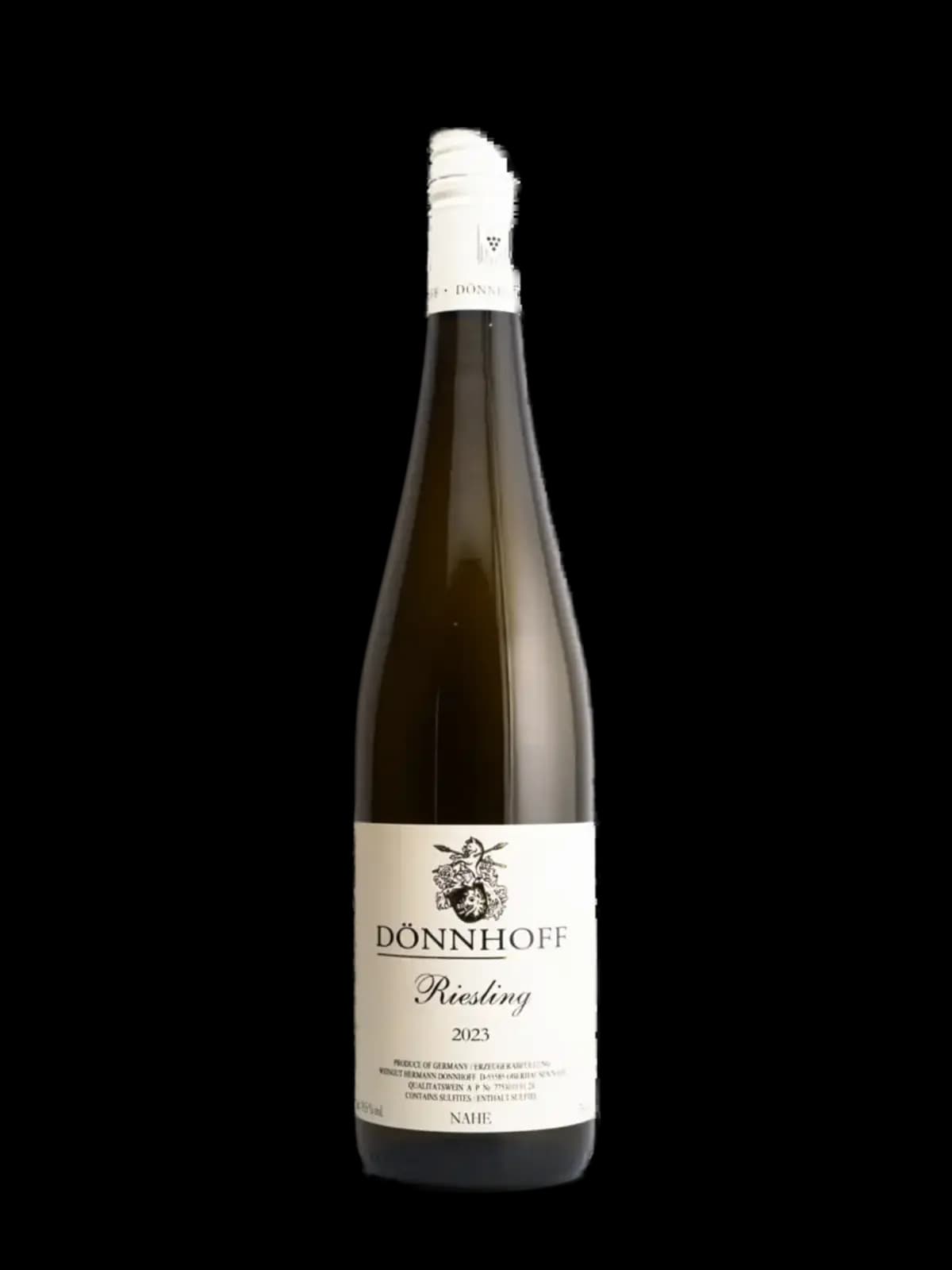
Citrus, green apple and mineral notes with precision, tension and long length. A reference point for dry German Riesling.
The fruit comes mostly from the Felsenberg and Kieselberg vineyards around Oberhausen, the Dönnhoff home village on the Nahe. The soils are stony, weathered volcanic rock, porphyry and melaphyre, threaded with slate and quartzite. That ground shows up in the glass as a saline, stony edge behind the fruit.
The Dönnhoff family has farmed here for 250 years, and Cornelius Dönnhoff makes the wines today. He treats this bottling as the estate's calling card, blending its two major soil types into one dry wine. Ferment and rest happen in stainless steel and old large oak casks. Nothing new, nothing showy, and the site does the talking.
Drink it cold with oysters, sashimi or a simple roast chicken. It is the sort of dry Riesling that converts people who think they do not like Riesling.
Producer note
Dönnhoff is one of Germany's benchmark producers, known for combining purity with intensity.
Structure
Picked on Stef's structure profile.